
As per the most recent article, the United States unemployment level has reached over 3.3 million as people are laid off due to COVID-19. This COVID-19 crisis began as a health crisis, but it has created an economic crisis that has left many people wondering if the US is already in a recession? Last week Friday President Trump signed the $2 trillion stimulus deal to try and save the economy. The past weeks have been nothing but volatile with markets facing their worst weeks in over 50 years. The Federal Reserve also cut the interest rates to zero, which did little to change the markets.
What is the stimulus deal?
In simple terms, the 880 page stimulus deal will be payments from the government to assist Americans who have been affected during this crisis.
Summary of some of the Bill:
- $1,200 for Americans who regularly earn less than $75,000 annually
- $500 per child for qualifying families
- $367 billion account for small business owners who qualify to take loans
- $130 billion for hospitals, emergency equipment, and items for medical workers to fight the virus
- $46 billion for the airline industry
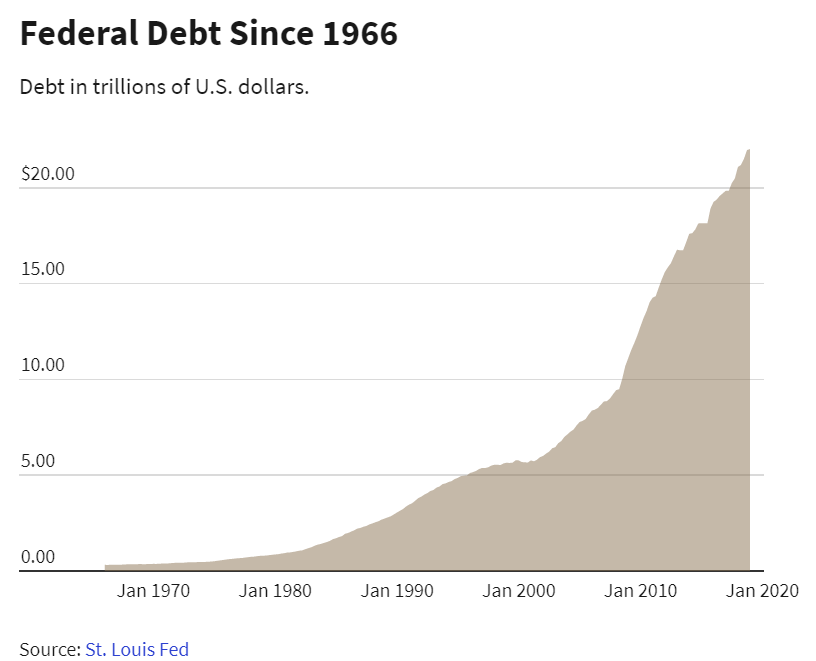
The US is already in debt, why introduce the stimulus do?
The current US national debt is about $22.2 trillion, which means that this stimulus package is only about 9% of the national debt. In the words of several economists, “we are already in a war,” hence this is the best call for the government to use debt.
How will the government give people the money?
The Federal Reserve will not go off printing bill after bill, instead they will go digital. The Fed is introducing digital dollar credits, that will work just like cash. The way this is supposed to be sustainable is that many of the digital dollars will not get spent. They will be deposited back inside accounts at the Fed or other banks. However, if enough of that money does get withdrawn to be spent, then the Fed would have to print more money.
—————-
The Fed wants to make sure that money continues to circulate. With people losing their jobs, and with fears increasing, an instinct is to stop spending and hold your money. The $2 trillion is supposed to help, and the Fed is prepared to continue supporting the economy.
 gendollar.finance.blog